
- Lessons: 149
- Duration: 500 hours
Program Overview
Download our Gas Technician G-2 brochure
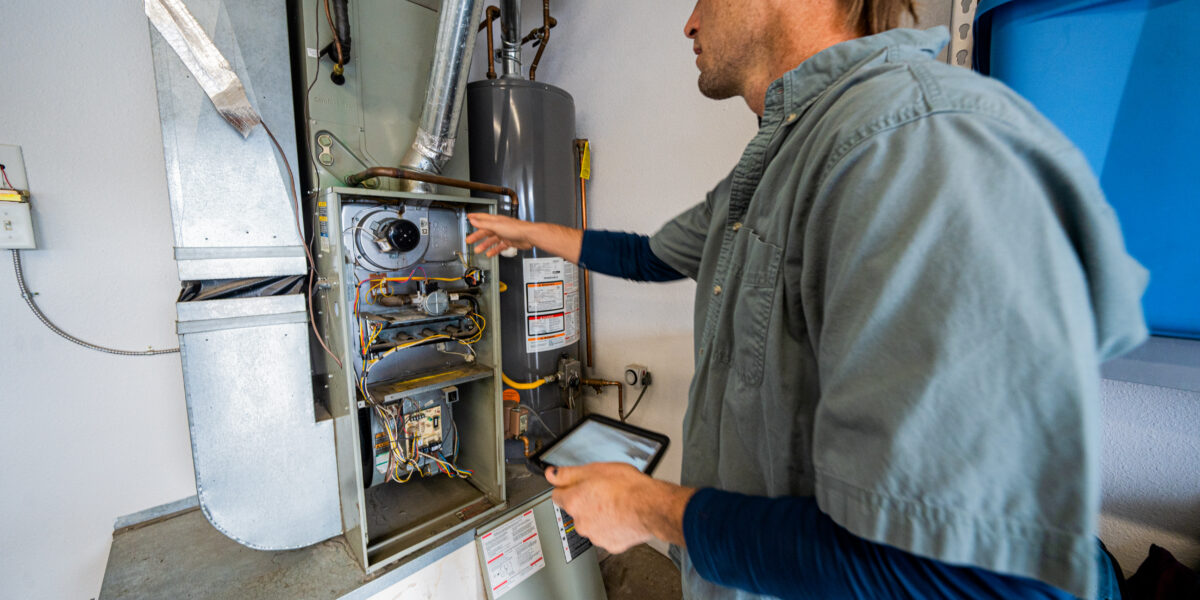
Epic College of Technology’s ( TSSA Approved )Gas Technician G2 program is an advanced-level training course designed for individuals who have completed G3 and want to expand their knowledge and technical skills in gas systems. The program focuses on residential and light commercial gas equipment, including heating systems, controls, venting, air handling, and troubleshooting techniques.
The curriculum provides in-depth understanding of system design, operation, testing, and servicing of gas-fired appliances. It prepares students to work independently within the G2 scope and supports career progression in the HVAC and gas technician field.
Career Opportunities
Graduates of this program are well suited for positions such as:
- Gas Technician (G2 Level)
- HVAC Service Technician
- Furnace and Boiler Technician
- Gas Appliance Installer
- Maintenance and Service Technician
Employment opportunities exist in residential HVAC companies, service organizations, mechanical contractors, and energy-related industries.
Courses in this program:
- Electrical and Mechanical Controls
- Gas fired domestic appliances.
- Air Handling Systems and Add-On Devices
- Testing, Troubleshooting, and Service Practices
- Pressure regulators and Meters
- Hydronic Heating systems
Program Outcomes
Core Competency:
Develop advanced knowledge of gas systems, controls, and heating equipment.
Upon completion of this course participants will:
- Understand advanced piping, venting, and installation standards
- Gain knowledge of electrical and mechanical control systems
- Understand operation of furnaces, boilers, water heaters, and heating systems
- Learn principles of air handling systems and supporting components
- Understand testing, troubleshooting, and servicing procedures
Skills
Core Competency:
Perform installation, maintenance, and troubleshooting of gas systems independently within G2 scope.
Upon completion of this course students will be able to:
- Install and service gas-fired appliances and systems
- Interpret electrical diagrams, schematics, and control sequences
- Troubleshoot common faults in heating and gas systems
- Perform system testing, commissioning, and maintenance
- Apply code requirements and safety standards in practical work
- Communicate effectively with customers and workplace teams
-
Piping and Tubing Systems for Industrial and Commercial Applications
-
Basic Electricity for Gas Fired Equipment
-
Controls
-
Lesson 3.1Identifications of the requirements for external starting and overload devices.
-
Lesson 3.2Troubleshoot mechanical controls systems
-
Lesson 3.3Troubleshoot electrical controls and control circuits
-
Lesson 3.4Selection criteria of motors
-
Lesson 3.5Troubleshoot electronic controls
-
Lesson 3.6Basic fundamentals of controls
-
-
The Building as a System
-
Lesson 4.1Methods of installing air, vapor, and moisture barriers
-
Lesson 4.2Ways of minimizing the negative impact of key components
-
Lesson 4.3Sources of heat loss and heat gain
-
Lesson 4.4Identify sources of moisture
-
Lesson 4.5Identify building construction types
-
Lesson 4.6Types of residential combustion and exhaust appliances
-
Lesson 4.7Student assessment (Class Test)
-
Lesson 4.8Methods of controlling pollutants
-
Lesson 4.9Ventilation and filtration
-
Lesson 4.10Key components
-
-
Domestic appliances
-
Lesson 5.1Identification of items
-
Lesson 5.2Review gas code related to ranges
-
Lesson 5.3Leak test methods
-
Lesson 5.4Removal and the arrangement of secure electrical connections
-
Lesson 5.5Test operating and supply pressures – equipments
-
Lesson 5.6Sequence of operation methodology
-
Lesson 5.7Flame patterns
-
Lesson 5.8Types of ignition
-
Lesson 5.9Types of burners
-
Lesson 5.10Heat transfer in appliances
-
Lesson 5.11Interpret wiring diagrams and schematics
-
Lesson 5.12Verification procedures of the operation of replacement components
-
Lesson 5.13Different types of ducts
-
Lesson 5.14Identify burner assemblies
-
Lesson 5.15Types of barbecue and features
-
Lesson 5.16Student assessment (Class Test)
-
Lesson 5.17Types of ranges and their features
-
-
Pressure Regulators, Overpressure Protection, Meters, and Fuel Containers
-
Lesson 6.1The applicable codes and regulations of a self-operated regulator
-
Lesson 6.2The purpose of propane and natural gas regulators
-
Lesson 6.3Types of pressure regulators
-
Lesson 6.4Requirement of sizing
-
Lesson 6.5Piping practices
-
Lesson 6.6Identification of basic components and fundamentals of appliance
-
Lesson 6.7Description of how to adjust and set pressure
-
Lesson 6.8identify the purpose of relief valves
-
Lesson 6.9Types and sizes od meters
-
Lesson 6.10Techniques for handling a meter
-
Lesson 6.11Demonstration of installation procedure
-
Lesson 6.12Identify tank and cylinder accessories
-
Lesson 6.13Student assessment (Class Test)
-
-
Domestic Gas-Fired Refrigerators
-
Conversion Burners
-
Lesson 8.1Conversion methodologies – boiler and furnace type
-
Lesson 8.2The methods to check for air, flue gas and water leaks, seal combustion chamber
-
Lesson 8.3Code to install conversion burners
-
Lesson 8.4Rate of replacement burner
-
Lesson 8.5Cleaning procedures
-
Lesson 8.6Identifications of conversion burners
-
Lesson 8.7Removal procedures – oil, pipes, controls and burners
-
Lesson 8.8Student assessment (Class Test)
-
-
Water Heaters and Combination Systems
-
Lesson 9.1Sequence of operation of wiring layout
-
Lesson 9.2Student assessment (Class Test)
-
Lesson 9.3Types of water heaters and combination heating systems
-
Lesson 9.4Testing procedures – water heaters
-
Lesson 9.5Codes and the manufacturers’ specifications
-
Lesson 9.6Plan layout of water heater and storage system
-
Lesson 9.7Disassemble, clean or replace parts and re-assemble
-
-
Forced Warm-air Heating Systems
-
Lesson 10.1Understanding of buildings as per Ontario building code
-
Lesson 10.2Application of local by-laws to installation requirements
-
Lesson 10.3Understanding of installation permits
-
Lesson 10.4Description of various types of furnace designs
-
Lesson 10.5Ontario propane and natural gas codes
-
Lesson 10.6Furnace categories
-
Lesson 10.7Vent sizing and practices according to code and manufacturers practices
-
Lesson 10.8Heat loss and air handing system
-
Lesson 10.9Troubleshoot system and diagnostic equipment
-
Lesson 10.10Furnace cleaning procedures
-
Lesson 10.11Calibration of test equipment
-
Lesson 10.12Description of mechanical components of forced air heating system
-
Lesson 10.13Demonstration of of electrical diagnostic instruments
-
Lesson 10.14Interaction between mechanical and electrical components to troubleshoot furnace problems
-
Lesson 10.15Student assessment (Class Test)
-
-
Hydronic Heating Systems
-
Lesson 11.1Differentiate and describe boiler types
-
Lesson 11.2Hydronic distribution system
-
Lesson 11.3Operation and purpose of commonly used hydronic controls
-
Lesson 11.4Bleed and fill water system
-
Lesson 11.5Function and operation of components
-
Lesson 11.6Pump sizes for system applications
-
Lesson 11.7Analyze and check the operation of controls
-
Lesson 11.8Identify delayed ignition and describe causes
-
Lesson 11.9Analyze wire diagrams and determine control operation
-
Lesson 11.10Pool heater system, components and accessories
-
Lesson 11.11Water quality effects pool heater
-
Lesson 11.12Methods of utilizing epumps are utilized in hydronic system
-
Lesson 11.13Student assessment (Class Test)
-
-
Space Heaters and Decorative Appliances
-
Lesson 12.1The features and differences of space heaters and decorative room appliances
-
Lesson 12.2Code requirements for specific appliances
-
Lesson 12.3Methods of providing combustion air requirements
-
Lesson 12.4Position and hook up controls pertaining to specific appliance
-
Lesson 12.5Interpret electrical schematics
-
Lesson 12.6Installation procedures of construction heaters.
-
Lesson 12.7Service methodology of construction heaters
-
Lesson 12.8Student assessment (Class Test)
-
-
Venting Practices
-
Lesson 13.1Categories of vented appliances
-
Lesson 13.2The principles of natural draft appliance venting
-
Lesson 13.3Types of vent systems
-
Lesson 13.4Description of all approved vent material
-
Lesson 13.5The air requirements for gas appliances and building itself
-
Lesson 13.6The appliance supply air sizing calculations as per appliance installation
-
Lesson 13.7Venting system components
-
Lesson 13.8Venting terminologies
-
Lesson 13.9Appliance installation codes
-
Lesson 13.10General Venting Requirements
-
Lesson 13.11Review all Vent Tables highlighting
-
Lesson 13.12Construction practices methodologies
-
Lesson 13.13Assembly procedures and installation requirements for all approved metal
-
Lesson 13.14Recognize a faulty vent system
-
Lesson 13.15Corrosive vapour sources
-
Lesson 13.16Student assessment (Class Test)
-
-
Forced-Air Add-on Devices
-
Lesson 14.1Identify and describe different types of humidifiers and their components
-
Lesson 14.2Construction and principles of operation of air cleaners
-
Lesson 14.3Purpose(s) of various types of air cleaners
-
Lesson 14.4The application and location requirements for an air cleaner
-
Lesson 14.5Sheet metal modifications necessary to install an air cleaner
-
Lesson 14.6The electrical procedures required for the installation of an air cleaner
-
Lesson 14.7Cleaning agents as per manufacturer’s specification
-
Lesson 14.8Removal procedure for air cleaner components, and reassemble air cleaners
-
Lesson 14.9The operation procedure of the humidifier
-
Lesson 14.10Various types of humidifiers
-
Lesson 14.11Student assessment (Class Test)
-
-
Air Handling
-
Lesson 15.1Assess duct system design
-
Lesson 15.2Heat transfer theory for heat gain and loss requirements
-
Lesson 15.3Air properties and characteristics
-
Lesson 15.4Industry standards codes (ventilation, air handlers, and duct work)
-
Lesson 15.5Cleaning applications of systems
-
Lesson 15.6Servicing procedures
-
Lesson 15.7Electrical wiring techniques
-
Lesson 15.8Adjust air flow system
-
Lesson 15.9Student assessment (Class Test)
-